Craft
Software as craftsmanship: discipline, judgment, and continuous improvement.
SOFTWARE CRAFTSMAN
I understand software as a craft and as a cultural tool. I build projects that seek to contribute to the common good, strengthening people, social systems, and the structures that sustain fairer coexistence.
Software as craftsmanship: discipline, judgment, and continuous improvement.
I conceive each solution as a whole, integrating technical and human concerns from the design stage.
Technology in service of the common good and the collective.
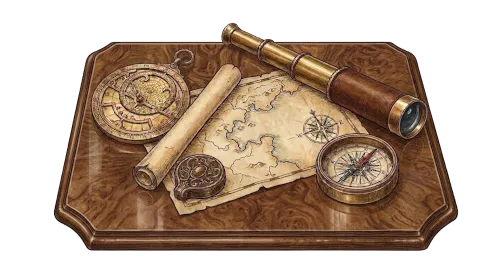
Every project begins with questions, not answers. Before writing a single line of code, I take time to understand the problem, the people who live it, and the context that sustains it. Exploring means researching, prototyping, and failing early, so that important decisions are made with information rather than by inertia.
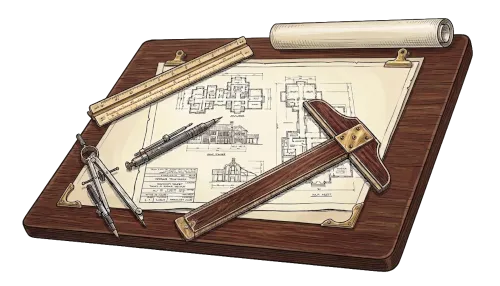
Designing is deciding what shape a system will take and, with it, what it enables and what it restricts. I model domains, define boundaries, and choose patterns with both the people who will use it and those who will maintain it tomorrow in mind. Good design goes unnoticed: it makes the right thing the easiest thing to do.
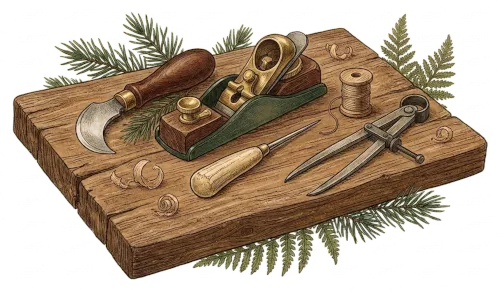
Software craftsmanship goes beyond writing code that works. It involves understanding context, anticipating consequences, and designing solutions that endure. Every architectural decision, every variable name, every pattern chosen reflects a worldview on how people and systems should interact. Code is not neutral: it always structures possibilities. My work seeks to make those possibilities the right ones.
Well-tended software does not end at launch: it blooms. It grows alongside the communities that inhabit it, adapts without losing its essence, and leaves room for others to build upon it. That is the horizon of Kumelemuel: open, sustainable, and meaningful systems that keep contributing long after they were written.
Open, sustainable and meaningful systems.